Squirrels are usually most active at dawn and dusk, so if you are hearing noises in your loft at night it is more likely to be rats or mice. Occasionally, birds can also enter loft spaces and make similar noises.
Frequently asked questions
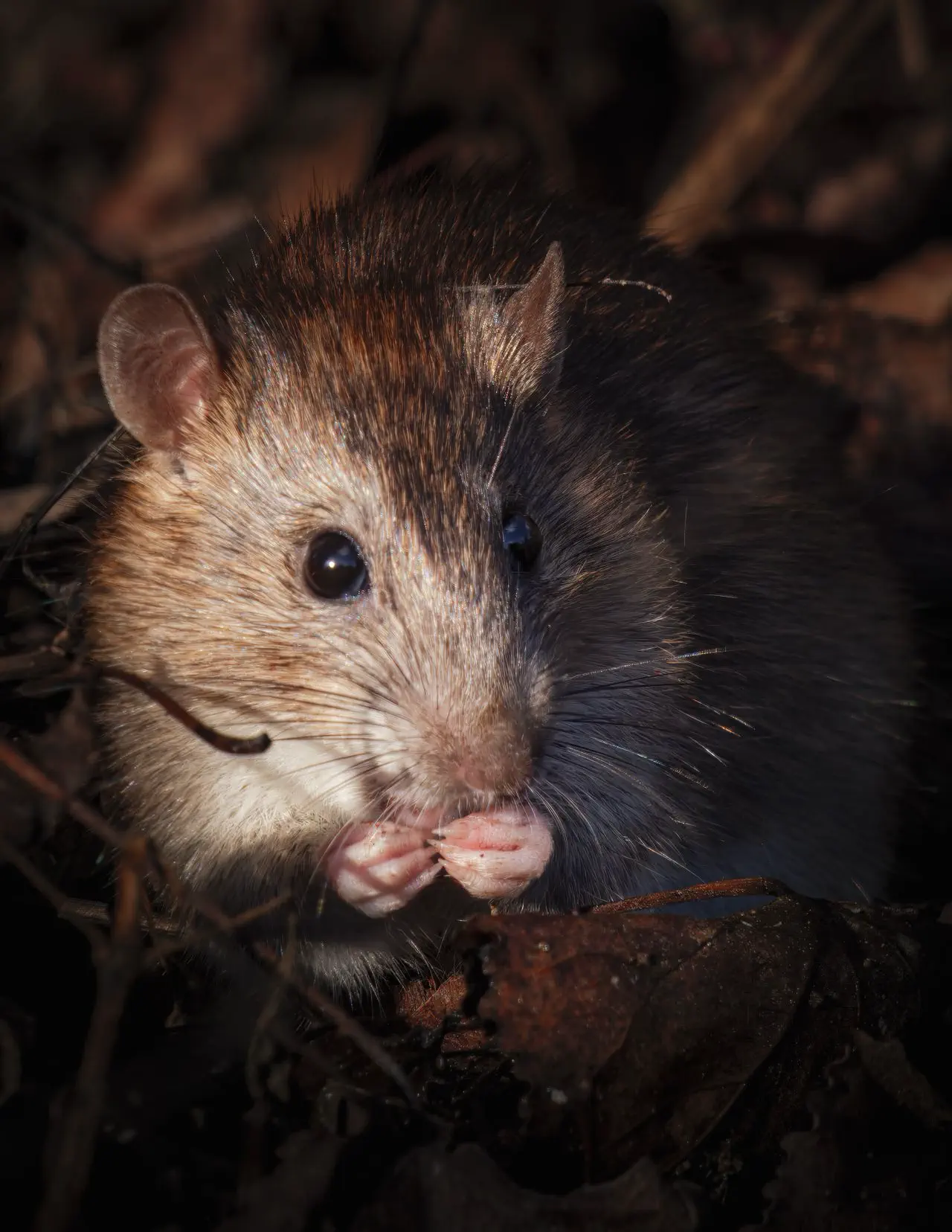
How do we get rid of rats and mice?
Rats and mice usually require at least two visits from our pest control technician.
During the first visit, we carry out a full inspection to identify the cause of the infestation, locate entry points, and advise on any proofing required. We then begin the rodent control programme using approved baiting methods, traps, and WiFi monitoring cameras where suitable to reduce unnecessary visits.
The second visit involves a further inspection and treatment review. In many cases this completes the rodent control process, although additional visits may sometimes be required depending on the severity of the infestation.
Is your rodent bait safe as I have children and pets?
Our pest control technicians are trained and certified in the safe use of rodenticides. We regularly update our knowledge to follow current pest control legislation and safety guidelines.
All treatments are carried out professionally with safety as a priority.
How do you stop rats or mice coming back?
During the initial inspection, we also look for potential entry points and recommend rodent-proofing measures to help prevent future infestations.
We can provide a quote to complete proofing work for you, or we can advise you if you prefer to carry out the work yourself.
Can I block up the holes where rats or mice are entering?
We strongly advise against blocking entry points before the infestation has been fully treated.
Sealing holes too early can trap rodents inside your property, which can make the problem worse. Proofing should be completed at the correct stage of the treatment process.
What if I have only seen one rat?
Occasionally, a cat may bring a rat or mouse into your home or garden. However, rats often live in groups, so seeing one can indicate there may be others nearby.
If you are seeing rats during daylight hours, this can be a sign of a larger infestation.
Are rodents dangerous?
Rodents can carry diseases, so extra hygiene precautions should be taken if you suspect an infestation, especially around food storage and preparation areas.
Professional rodent control is recommended to safely remove the infestation.
How can I get rid of rats or mice myself?
Generally trapping rats or mice can become a long-term control method and may not solve the underlying problem.
Professional pest control services use approved products and methods that are designed to provide more effective control.
Will a dead rat or mouse smell?
Rodents may die during the treatment process. We always remove dead rats and mice where possible.
Sometimes rodents can die in wall cavities or inaccessible areas, which may cause an odour. This normally clears within 2–4 weeks, we can provide advice or treatments if the smell becomes unpleasant.
Do I need squirrel pest control?
Squirrels can cause significant damage to loft insulation, woodwork, and electrical wiring. Professional squirrel control is often recommended to prevent further damage.
How do you get rid of squirrels?
Squirrel control usually involves humane trapping methods.
Where possible, we install Wi-Fi monitoring cameras in loft areas so traps can be monitored effectively. The number of visits required depends on the number of squirrels present, but many treatments are completed within 2–3 visits.
Can you stop squirrels getting into my attic?
Yes. During squirrel pest control visits, we also advise on squirrel-proofing measures to help prevent squirrels returning.
We can provide a quote to complete proofing work or offer advice if you prefer to carry out the work yourself.

I’ve been trying to get rid of fleas myself. Why isn’t it working?
Professional flea pest control breaks the flea life cycle, which many off-the-shelf flea control products may not do. We use a residual insecticide that remains active on carpets for up to 21 days after the initial flea treatment.
Any eggs that hatch during this period will come into contact with the insecticide and die, breaking the flea life cycle and ending the infestation.
What do I need to do before flea pest control services?
We will normally send you a preparation checklist beforehand. We ask you to vacuum all areas and empty the vacuum cleaner, clear general clutter from floors, wash bedding on the hottest wash possible, and ensure all pets have been treated by a vet for fleas.
No one can remain in the property during the flea treatment process. You must leave the property for up to 6 hours afterwards and avoid vacuuming for at least 21 days.
Is your flea pest control guaranteed?
We always endeavour to remove fleas with a single treatment. However, occasionally a second flea treatment is required. If this is needed within 28 days of the initial flea pest control process, we can carry this out at a reduced price.
Is your flea pest control safe for children and pets?
Once dry, the treatment is licensed as safe for people and pets. It is important that you remain out of the property for at least 6 hours after treatment to allow it to fully dry.
Please discuss any concerns with your technician on the day, and they will be able to advise you further.
What if I have fleas on the sofa?
Our flea pest control service includes treating soft furnishings as well as floors. We will treat all affected areas during the process.
We are getting bitten by insects. Is it bedbugs?
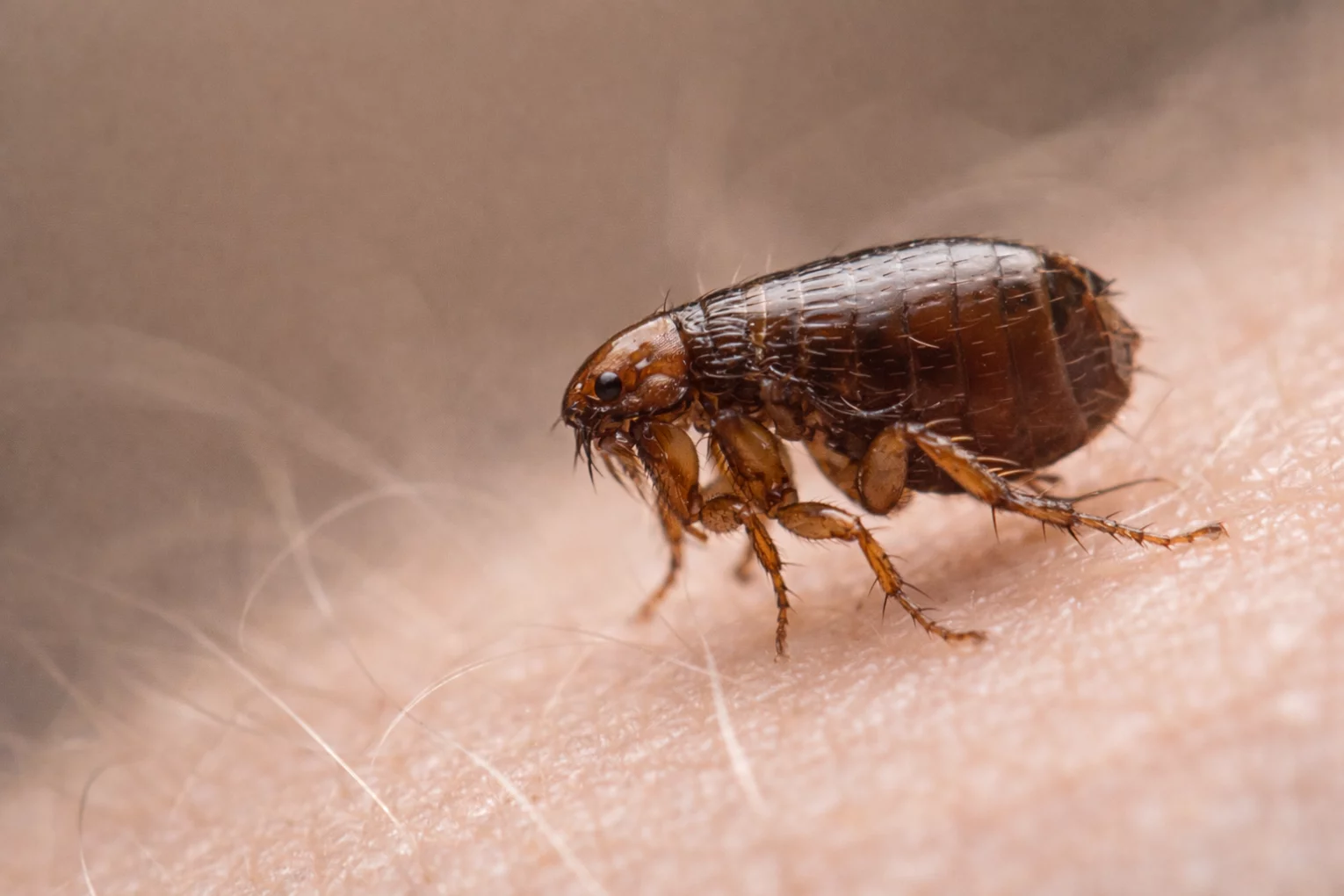
Common household insect bites are often caused by fleas or bedbugs. Fleas are generally easier to identify as you may see them jumping during the day.
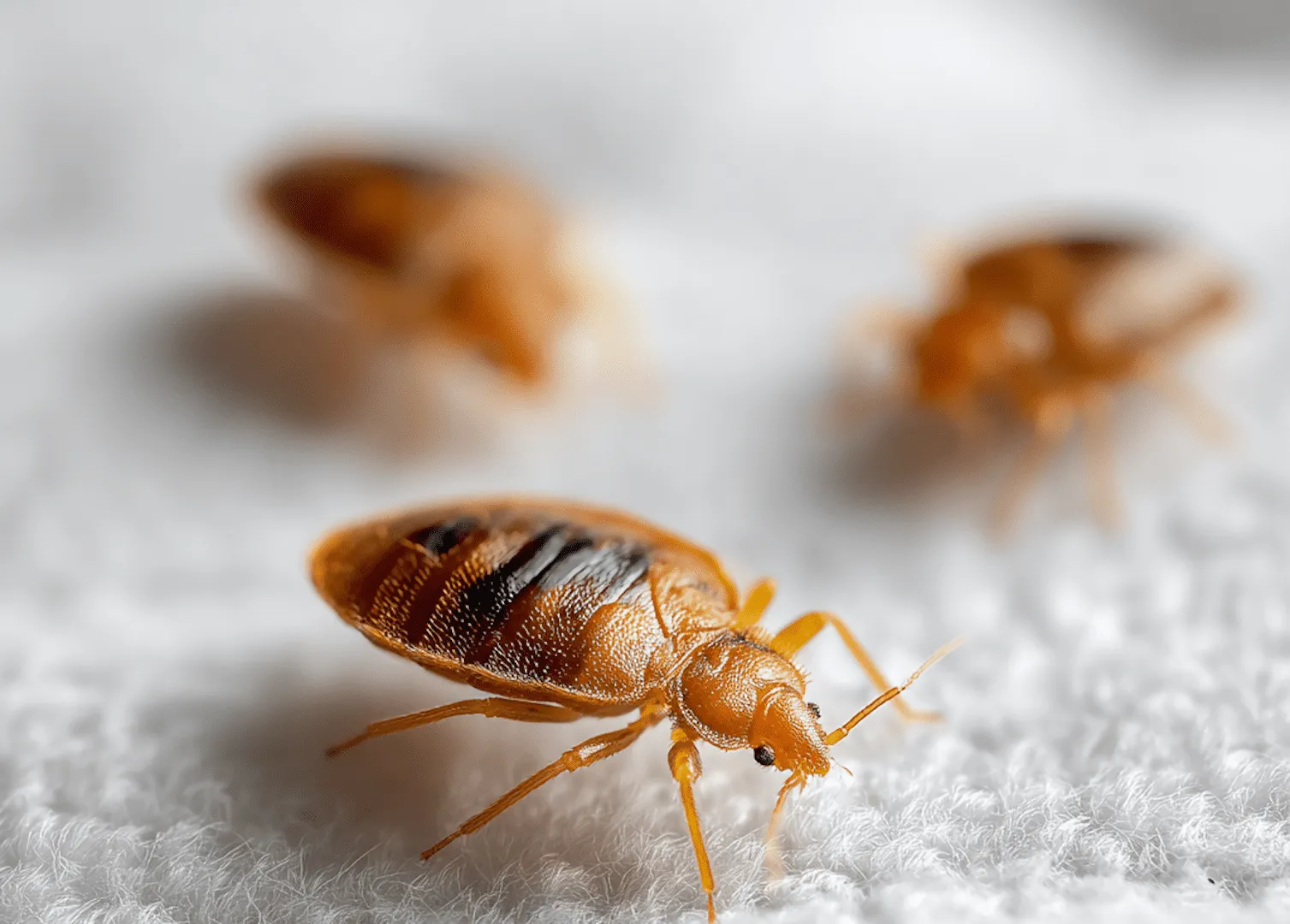
Bedbugs usually hide during the day and come out at night when they detect body heat. Bedbug bites are often found on the torso and may leave small blood spots on sheets.
How do I know if I need bed bug pest control?
If you think you may need bed bug extermination, it is best to give us a call on (01452) 538993 or (07850) 540559.
We can discuss the signs of bedbugs over the phone and establish the likelihood of an infestation. We can then arrange bed bug pest control if required.
Alternatively, we can organise a bed bug survey to confirm whether there is an infestation before proceeding.
What do you do to get rid of a bed bug infestation?
We carry out a thorough bed bug pest control process using professional insecticide treatments.
What do I need to do before bed bug extermination?
We will always send you a preparation checklist before treatment.
No one can be in the property during the bed bug treatment and for 6 hours afterwards. Avoid vacuuming for at least 21 days.
All infested clothing and bedding should be washed on the hottest wash possible, bagged and sealed where required, and all areas should be vacuumed thoroughly. Vacuum bags should be emptied.
Avoid moving items from room to room unless they are wrapped and sealed to prevent spreading the bedbugs.
Is your bed bug pest control service guaranteed?
We cannot guarantee bed bug pest control due to the unpredictable nature of infestations. However, we often complete treatments in a single visit because we are particularly thorough, use professional chemical products, and ensure our work is carried out to the highest standards.
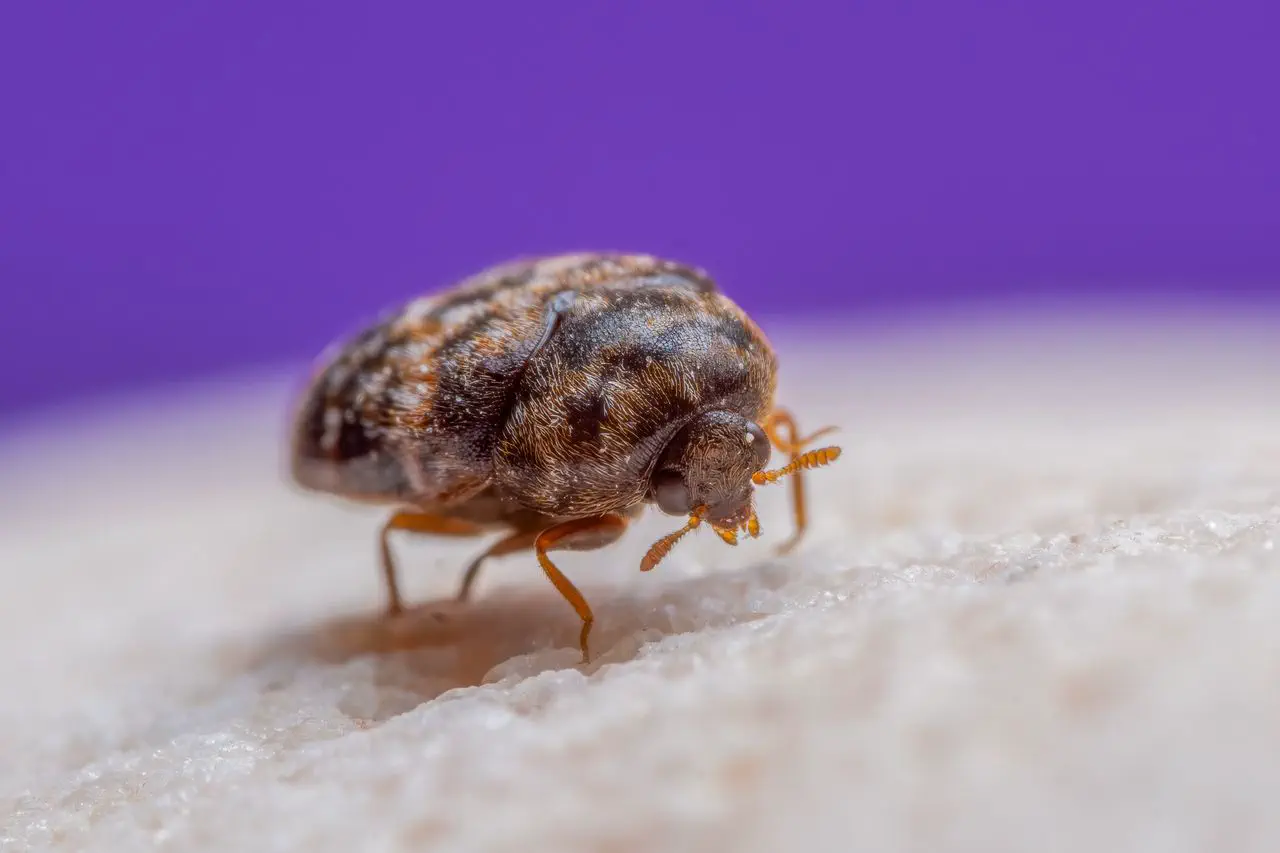
How do I know if I’ve got carpet moths or carpet beetles?
Bald patches on carpets, holes in fabrics, or damage to natural fibres can be signs of carpet moth or carpet beetle infestation.
Both pests feed on natural fibres and can damage carpets, curtains, clothes, and soft furnishings. You may see live insects or larvae.
We can help identify carpet moths or carpet beetles over the phone using pictures. Call us on 01452 538993 or 07850 540559 and send over your pictures for us to review.
Where do carpet moths or carpet beetles come from?
Adult moths or beetles normally fly in through open windows or doors and lay their eggs on carpets or fabrics.
What do I need to do before carpet moth or carpet beetle pest control?
We ask you to vacuum all areas beforehand, including cupboards with carpeted floors, empty the vacuum bag, clear floors of clutter, and wash infested clothing on the hottest wash possible.
Do not vacuum for up to 21 days afterwards.
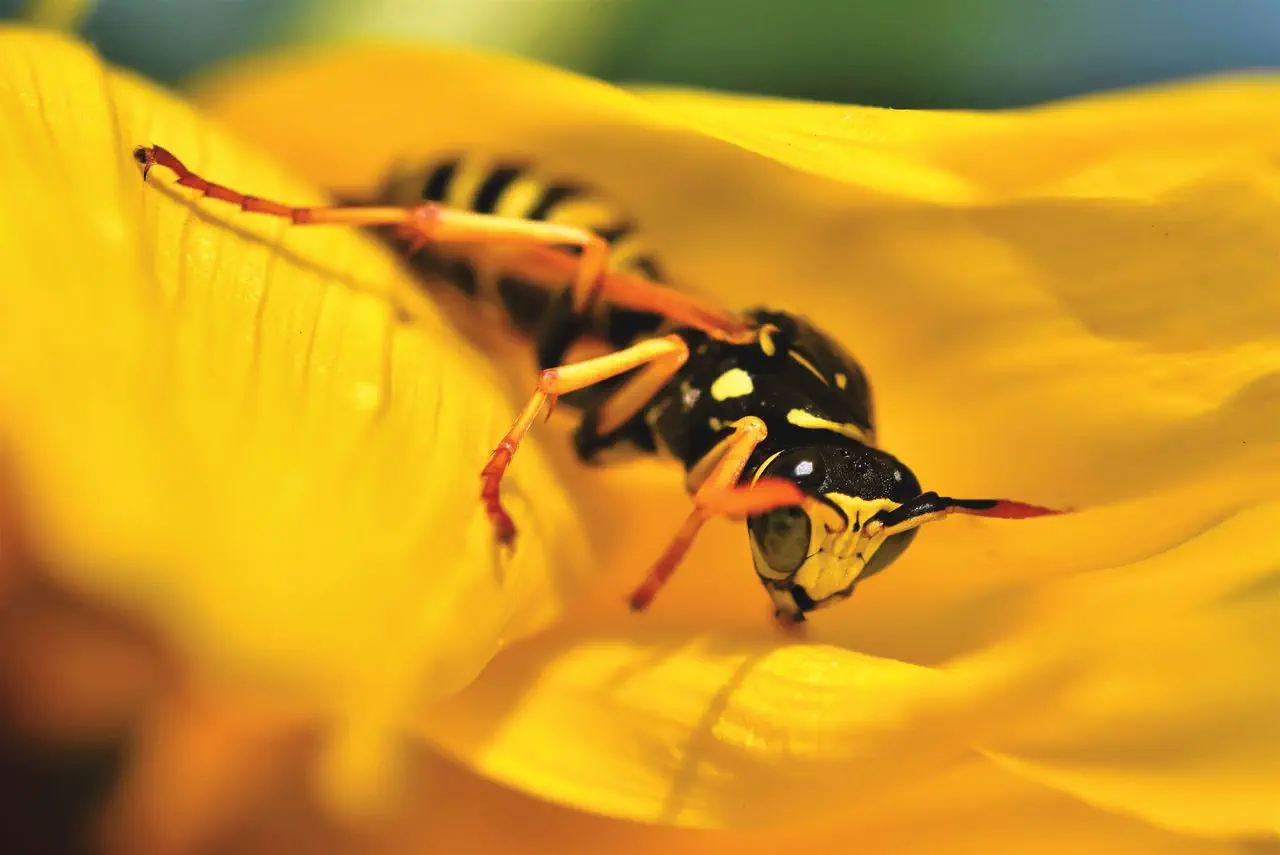
Will you get rid of a swarm of wasps?
Wasps do not normally swarm. If you are seeing a swarm of insects that look like wasps, it is probably honeybees.
What if more wasps come back to the empty wasp nest after treatment?
Once all wasps in the nest are exterminated, the nest becomes dormant and new wasps will not start using the empty nest.
Is your wasp pest control treatment service guaranteed?
Yes. If wasps are still living in the treated nest after three days, we will return and retreat free of charge.
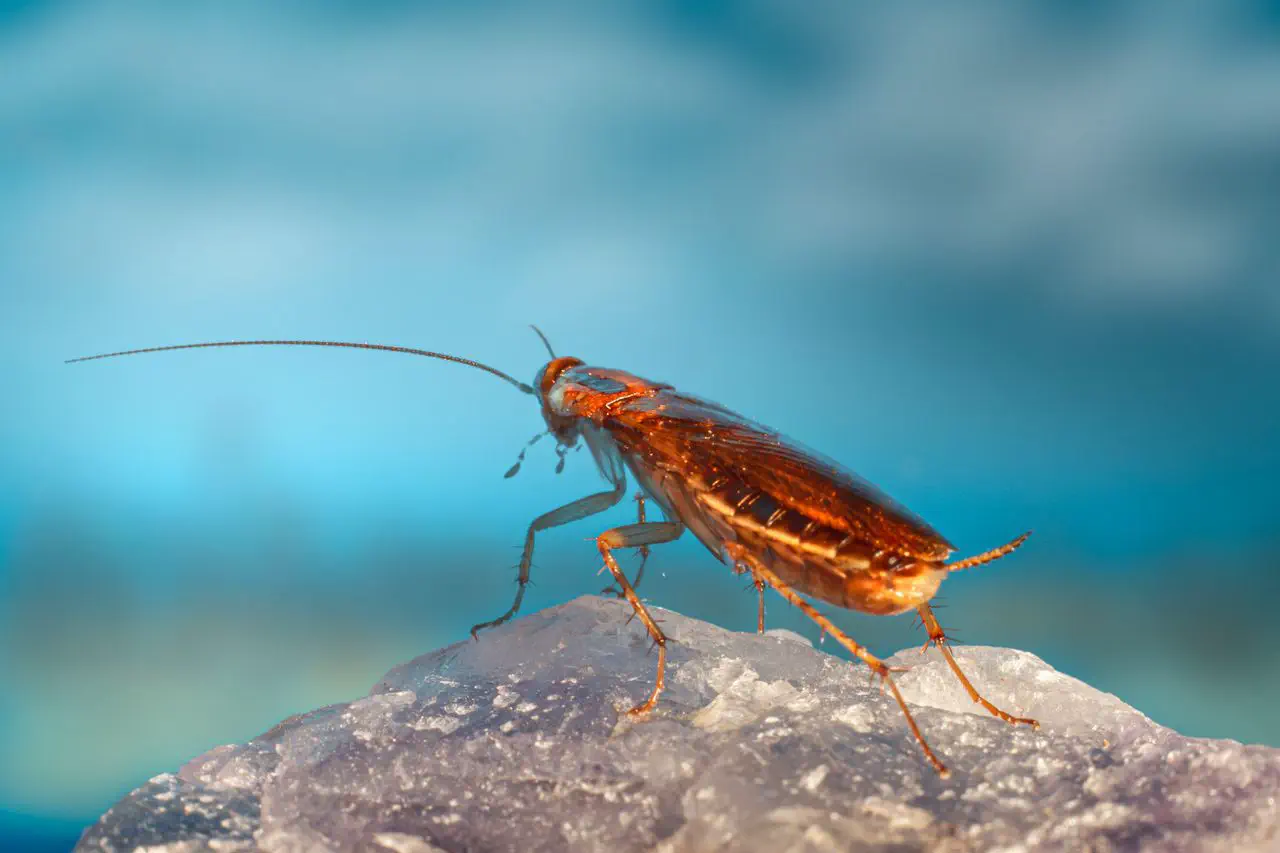
How can I get rid of cockroaches?
There are off the shelf products for cockroach extermination, but cockroaches can still be difficult to remove yourself.
The most straightforward solution is usually professional cockroach pest control services.
What do I need to do before cockroach pest control?
There is no need to clean before cockroach pest control. We ask you to leave any dead cockroaches during the treatment process for other cockroaches to eat.
This increases the spread of the treatment as the dead cockroaches are eaten, making the cockroach extermination process quicker and helping end the infestation.
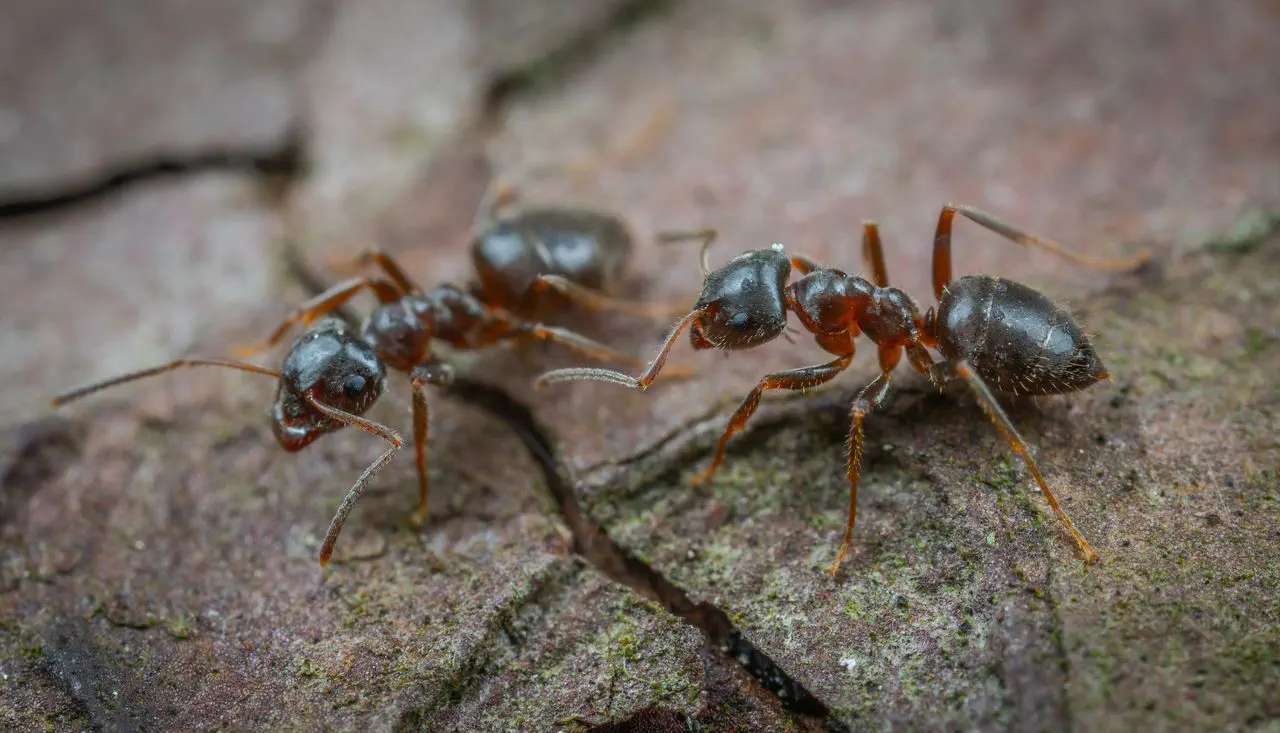
I keep getting ant infestations. Does your ant pest control work?
Yes, our ant pest control will exterminate ants. A licensed ant pest control gel is used, which the ants take back to the nest.
This will eliminate the queen ant and stop the nest.
How can I stop cluster flies coming back?
Cluster flies leave pheromones behind after treatment. These pheromones can attract more cluster flies the following season.
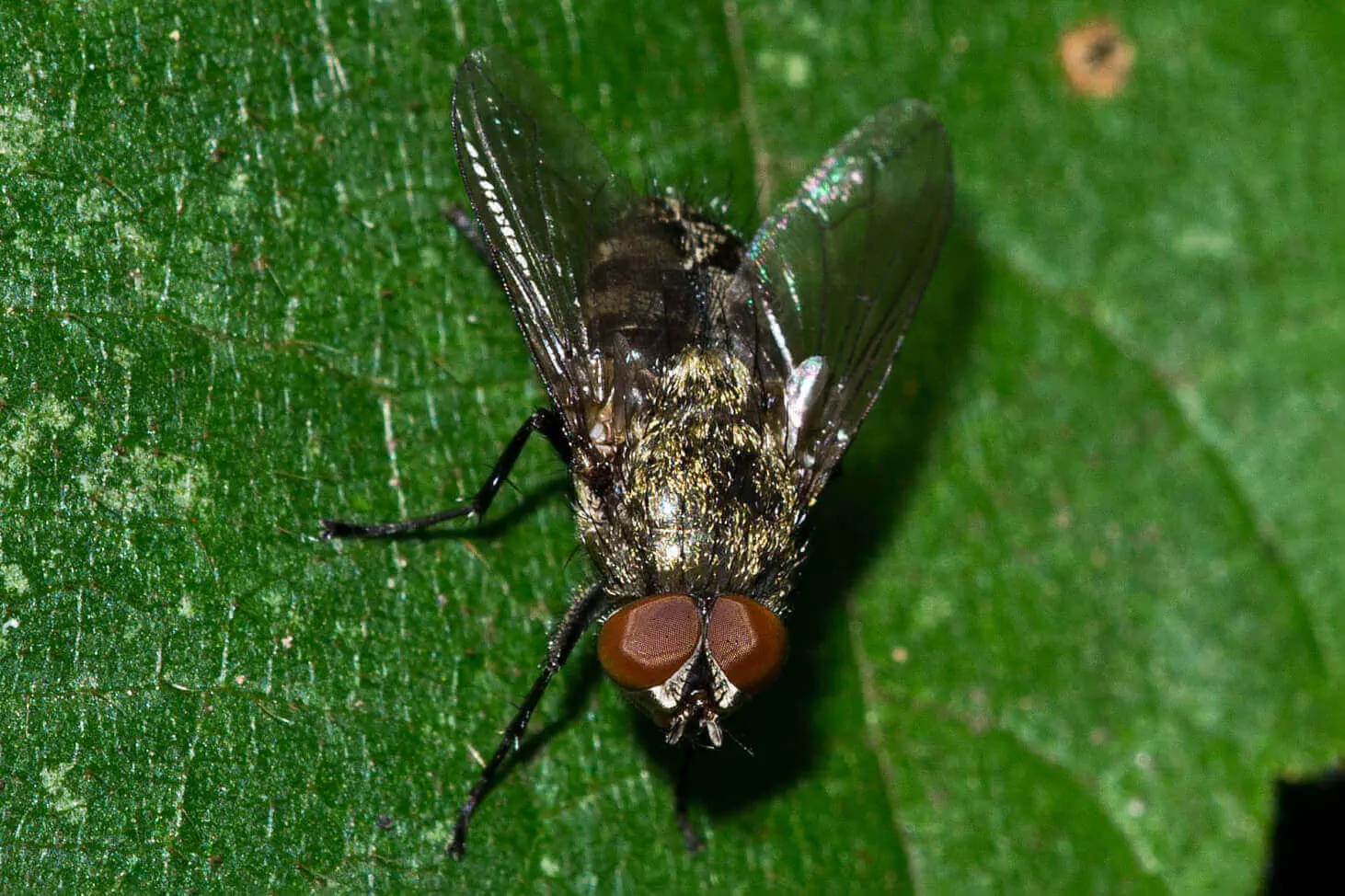
Cluster flies can crawl through tiny cracks in roofs and are difficult to prevent permanently. If you have a cluster fly infestation, we recommend professional cluster fly pest control fogging to remove the existing infestation and reduce recurring problems.